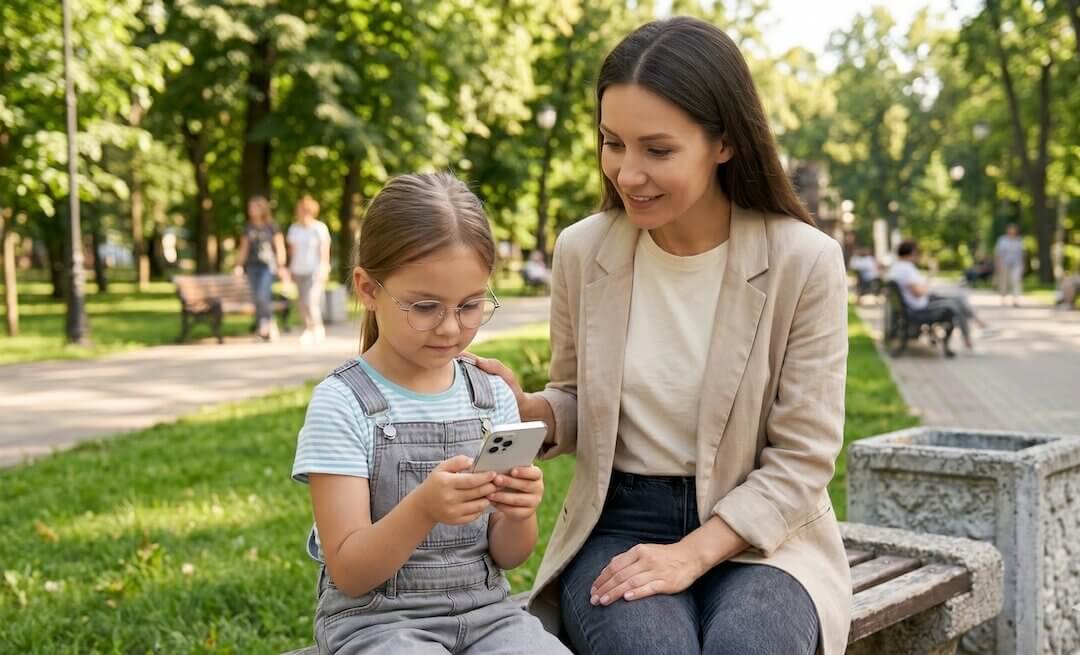
Many parents become concerned when they hear the same thing at each annual eye exam: “Your child’s prescription has increased again.” If your child seems to need stronger glasses every year, you’re not alone. Nearsightedness, also known as myopia, is becoming increasingly common among children, and many parents wonder why it continues to worsen over time.
The good news is that we now understand much more about myopia than we did in the past. While worsening nearsightedness is common, there are treatments available that may help slow its progression and reduce the risk of future eye health problems.
What Is Myopia?
Myopia, or nearsightedness, occurs when the eye grows too long from front to back. As the eye elongates, light focuses in front of the retina instead of directly on it, causing distant objects to appear blurry.
Children with myopia often:
- Squint to see distant objects
- Sit close to the television
- Hold books or devices very close
- Struggle to see the board at school
- Complain of blurry distance vision
Glasses and contact lenses correct the blurry vision, but they do not stop the eye from continuing to grow longer.
Why Does Myopia Get Worse?
The primary reason a child’s prescription continues to increase is that their eyes are still growing.
During childhood and adolescence, the eye naturally develops. In some children, however, the eye grows longer than it should. Each additional millimeter of eye growth increases nearsightedness and often requires a stronger glasses prescription.
Genetics certainly play a role. Children with one or both parents who are nearsighted have a higher risk of developing myopia. However, genetics alone do not explain the dramatic increase in myopia seen around the world.
Environmental factors also contribute. Research suggests that prolonged near work, increased screen time, and limited outdoor activity may increase the risk of developing and progressing myopia.
Is a Stronger Prescription Just an Inconvenience?
Many parents assume that worsening nearsightedness simply means thicker glasses. Unfortunately, there is more to the story.
As the eye becomes longer, the tissues inside the eye become stretched. Higher levels of myopia are associated with an increased risk of serious eye conditions later in life, including:
- Retinal detachment
- Myopic macular degeneration
- Glaucoma
- Cataracts
- Retinal tears and degeneration
The risk of these conditions increases as myopia becomes more severe. This is one reason eye doctors are placing much greater emphasis on managing myopia progression than in previous generations.
How Fast Should My Child’s Prescription Change?
Every child is different, but significant prescription changes year after year may indicate active myopia progression.
In addition to measuring a child’s glasses prescription, many eye doctors now monitor axial length, which is the actual length of the eye. Tracking eye growth provides valuable information about whether myopia is progressing and how effectively treatment may be working.
Axial length measurements allow us to monitor the underlying cause of myopia rather than simply reacting to changes in the glasses prescription.
Can Anything Be Done to Slow Myopia Progression?
Yes. One of the most exciting developments in pediatric eye care is the emergence of evidence-based myopia management treatments.
Several treatment options have been shown to help slow the progression of myopia in many children, including:
Myopia Control Glasses
Specialized spectacle lenses are designed not only to provide clear vision but also to influence how light focuses on the retina. Research has shown that certain lens designs may help slow eye growth compared to traditional glasses.
Soft Contact Lenses for Myopia Control
Certain daily disposable contact lenses have been specifically designed to help slow the progression of myopia while providing excellent vision and convenience.
Orthokeratology (Ortho-K)
Ortho-K uses specially designed contact lenses worn overnight to gently reshape the front surface of the eye. During the day, children can often see clearly without glasses or contact lenses while potentially benefiting from myopia control effects.
Low-Dose Atropine
Low-dose atropine eye drops have been shown to slow myopia progression in many children and may be used alone or in combination with other treatment options.
What Else Can Parents Do?
Simple lifestyle habits may also help support healthy visual development:
- Encourage outdoor activity whenever possible.
- Take regular breaks during extended near work.
- Avoid holding reading materials or screens extremely close.
- Maintain regular comprehensive eye examinations.
While these habits alone may not stop myopia progression, they can be part of a comprehensive management strategy.
When Should My Child Be Evaluated for Myopia Management?
If your child’s prescription has increased during recent eye exams, it may be time to discuss myopia management options with your eye doctor.
The earlier myopia progression is identified, the more opportunity there may be to influence the course of eye growth. Not every child is a candidate for every treatment, but a comprehensive evaluation can help determine which options may be most appropriate.
The Bottom Line
A child’s prescription often continues to worsen because their eyes are still growing. While stronger glasses can restore clear vision, they do not address the underlying progression of myopia. Today, several proven treatment options are available that may help slow eye growth and reduce the risks associated with higher levels of myopia later in life.
If your child seems to need stronger glasses every year, a myopia management evaluation may help determine whether treatment options are available to better protect their vision and eye health for the future.
Recent Comments